

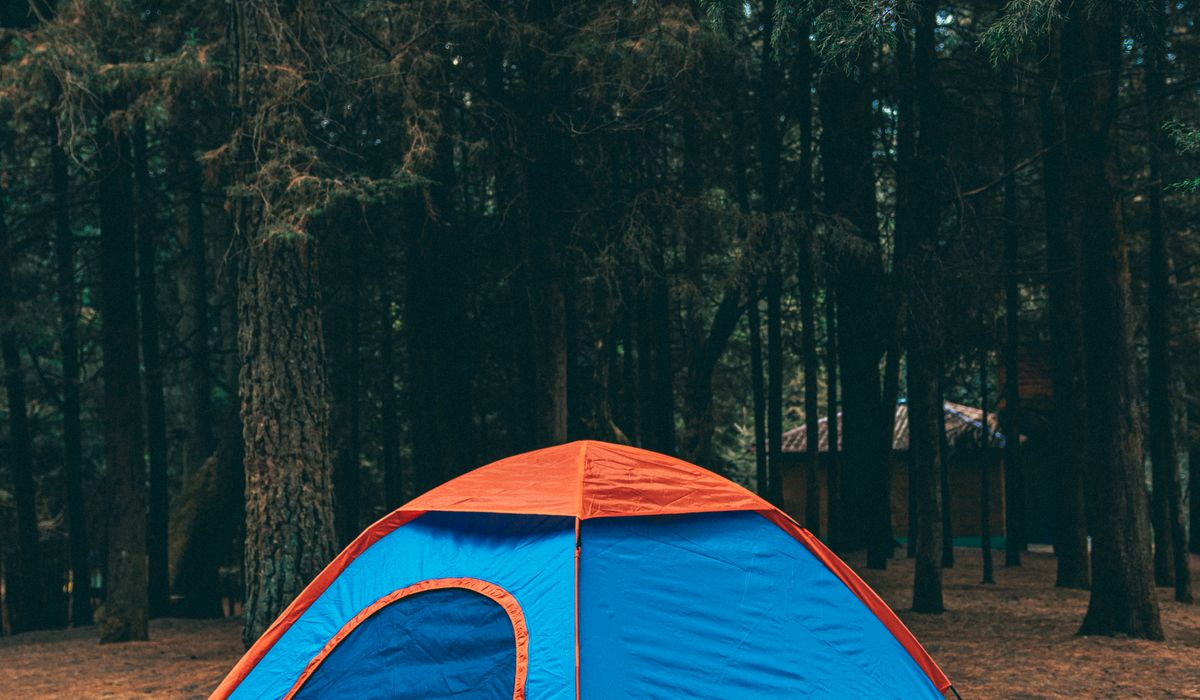
Dark evenings arrive quickly in the UK hills. One minute you are enjoying a late-summer ridge, the next the light is draining from the sky and you are fumbling for a torch. A head torch is the difference between a calm descent and a miserable stumble. It keeps your hands free for map, compass, poles and gate latches. But not every head torch suits British conditions. Here is what to look for.
Why a head torch beats a hand torch
On a coastal path, a hand torch means one hand is always occupied. That is one hand less for a stile, a slippery rock or a sudden gust. A head torch follows your gaze, so the light falls where you are looking. When you need to read a map, adjust a pole or open a rucksack, your hands stay free. In camp, it lights your cooking, tent admin and late-night wander to the facilities. For hill walking and coastal paths, hands-free light is not a luxury. It is basic safety.
Waterproofing: rain, mist and coastal spray
British weather rarely asks permission. You may start in drizzle, meet mist on the tops and finish with sea spray on a headland. Your head torch needs to cope with all three. Look for an IP rating. IPX4 handles splashes and rain from any direction. IPX7 survives accidental immersion, which is useful if you drop it in a stream or a rock pool. Check the battery compartment for a rubber gasket. A sealed USB port cover is essential. Avoid torches with exposed contacts or flimsy flaps. Saltwater is corrosive, so rinse the casing with fresh water after a coastal walk and dry it before storage. If you walk in Scotland or the Lakes, condensation inside the lens can happen. A torch with a well-sealed body and a slight anti-fog design will keep its beam clear.
Battery life and power strategy
Dark evenings can stretch from four o'clock to eight o'clock. A torch that runs for two hours on high is not enough. Look for a burn time of at least six to ten hours on a medium setting. Regulated output matters: cheap torches dim gradually, while a good one holds a steady beam until the battery dies. Think about power source. Alkaline AA or AAA batteries are easy to find in village shops, but they fade in the cold and leak if left in. Rechargeable lithium batteries hold charge better in low temperatures. A built-in battery charged by USB-C is convenient, but once it is flat, you cannot swap it. A hybrid torch that takes either a rechargeable pack or standard cells gives you options. Carry spare batteries in an inside pocket, warm against your body. Cold saps power quickly, so a battery kept in a rucksack pocket may be half dead when you need it. A simple battery indicator or a low-voltage warning is worth its weight in gold.
Red night mode and camp etiquette
Red light preserves your night vision and is far kinder to companions. In a bothy, a tent or a crowded campsite, a white beam at full power feels like a searchlight. A red mode lets you read, find kit or sort out a brew without blinding everyone. It also attracts fewer insects in summer. Check that the red mode is easy to reach. Ideally, it has its own button or a simple twist, not buried under five menu presses. Some torches offer a red filter that flips over the main lens, which is quick and foolproof. Use red for camp admin and white for walking. If you are sharing a tent, a red setting on low is polite and practical. Remember that red light is poor for judging distance and terrain, so switch to white before you step outside onto uneven ground.
Beam, brightness and the modes you will actually use
Lumens sell torches, but beam pattern keeps you safe. For most UK hill walking, 200 to 400 lumens is plenty. A flood beam lights the ground around your feet and is ideal for camp, map reading and close work. A spot beam throws light further ahead, useful for spotting a path junction or a stile in the distance. The best torches combine both, either with a dual beam or an adjustable focus. Avoid a torch that only has a turbo mode and a dim glow. You want a sensible medium setting that runs for hours. A lock function prevents the torch switching on in your rucksack and draining the battery. A tilt mechanism lets you angle the beam down to avoid blinding others and to light the path directly. Strobe modes are rarely needed on a hill walk, though an SOS setting is a reasonable backup. Keep it simple: high, medium, low and red.
Fit, controls and a final check
Weight matters more than you think. A torch under 100 grams disappears on your head. Heavier models are fine for camp but can bounce on a long descent. Look for a wide, breathable strap with a silicone grip strip. It should adjust easily with gloves on. Buttons need to be large enough to find by touch. Test them with winter gloves before you rely on them. A final check at home takes two minutes. Turn the torch on, cycle through every mode, and check the strap for wear. Walk around a dark room and tilt the beam up and down. If you carry spare batteries, make sure they are the right size and still in date. A small backup torch in your rucksack is cheap insurance. On a coastal path, a sudden squall or a wrong turn can turn a short walk into a longer one. A reliable head torch leaves your hands free for map and poles, and gives you the confidence to keep moving. Charge it, pack it, and enjoy the dark evenings.



John Doe
14 January, 2022Having no content in post should have adverse..
Chauffina Carr
10 April, 2022We use these tests all time! Killer stuff!
Jim Séchen
16 July, 2022Thanks for all the comments, everyone!