

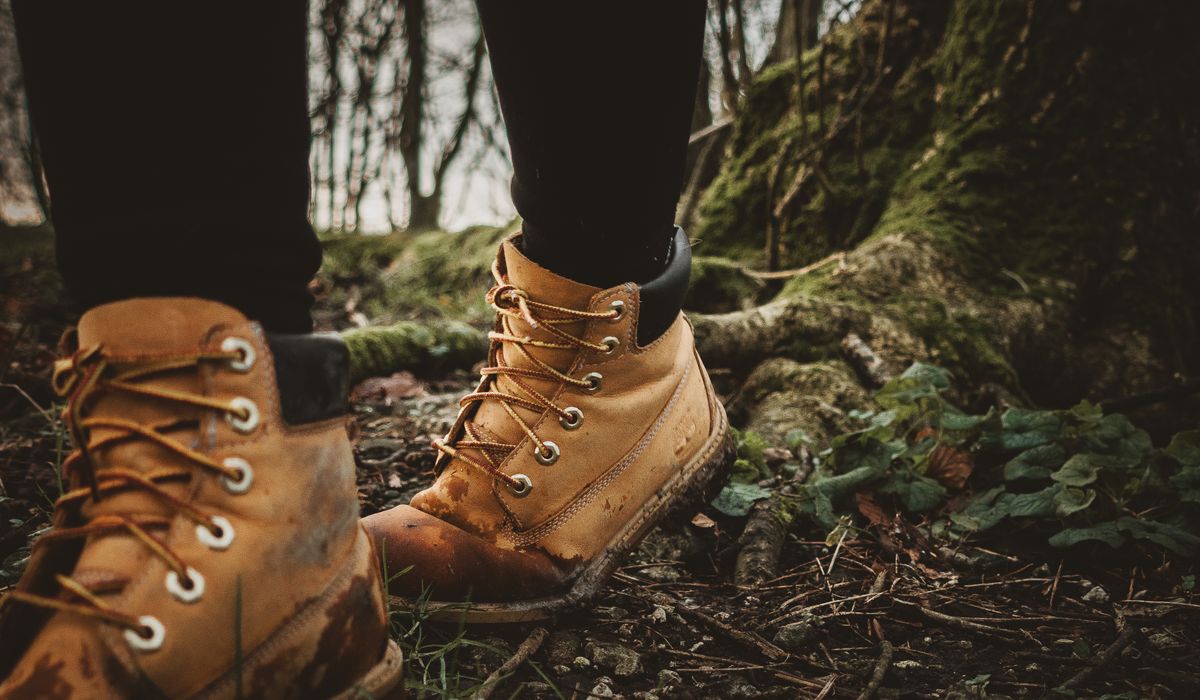
Why blisters end more walks than bad weather
Ask anyone who has strung together a fortnight on the South West Coast Path, or plodded the length of the Pennine Way, and they will tell you the same thing. It is rarely the climbs that finish people off. It is a small, furious patch of skin on the back of a heel. Blisters are made by friction meeting moisture. Over twenty miles and forty thousand steps, that combination becomes relentless, and by the time you feel real pain you have usually had a warning for an hour or more.
The reassuring part is that almost every serious blister announces itself first as a hot spot. That warm, tender, slightly tingling patch is your window to act, and it usually stays open for less time than you think.
Catch the hot spot within minutes
Stop when you first notice it. Not at the next gate, not at the top of the next climb, and certainly not at the pub. A ninety-second stop now can save you three days of limping. If you can feel a tender spot through your sock, that is enough evidence.
- Boot and sock off, foot dried with a cloth or a clean buff.
- Find the exact spot with a fingertip and check whether the skin is red, shiny or already raised.
- Inspect the sock and the boot lining for grit, sand, a creased seam or a damp patch.
- Check your lacing. A heel that slips even a few millimetres will rub a blister into existence over a morning.
On coastal paths, sand is the usual culprit. On moorland, it is damp and grit together. Either way, remove it rather than redistribute it.
Taping and dressing: what actually works
Dry skin is non-negotiable. Tape and dressings will not stick to a damp foot, so dry the area thoroughly and let it air for a minute before you apply anything.
- Hot spot, skin intact: a strip of zinc oxide tape, pressed smooth, with the corners trimmed round so they do not roll. It should sit flat with no creases.
- Blisters already forming: a hydrocolloid plaster, applied to clean dry skin and left in place for several days. These cushion the area and encourage the skin to settle.
- A blister that has burst: do not peel off the roof of skin — it is a natural dressing. Cover it with a non-adherent pad, then tape around the edges rather than straight over the wound.
- Do not wrap tape in a complete circle around a foot or toe. If it swells, a full loop becomes a tourniquet.
- Avoid cotton wool. It mats down, holds moisture and makes everything worse.
Carry a small repair kit in your hip belt or chest pocket, not buried at the bottom of your rucksack. If you have to unpack to reach a plaster, you will walk on instead.
Keep boots and socks dry
Most long-distance footpaths in the UK are wet underfoot at some point — bog on the Cheviots, wet grass on the Cotswold escarpment, spindrift on a Scottish glen. You will not stay perfectly dry, but you can stop your feet stewing.
- Wear a thin liner sock under a wool or wool-blend walking sock. The liner takes the friction; the outer sock manages moisture.
- Carry at least two spare pairs on a multi-day walk. Change socks at lunch, and again after any river crossing or soaking.
- Waterproof socks are excellent for bog and wet grass, but if your feet sweat heavily they can trap moisture. Swap them out if they feel clammy inside.
- Shake grit out of your boots at every long stop, and check the lining for folds and worn patches.
- Lace properly. A heel-lock lacing pattern holds your foot back into the heel cup and reduces sliding.
- Dry boots overnight, away from direct heat. Radiators and fires warp leather and shrink linings.
Air your feet at every long break
This is the single most overlooked habit on a long walk, and it costs you nothing. At lunch, and at any stop longer than fifteen minutes, take your boots and socks off. Prop your feet up on your rucksack, let the breeze get to them and give the skin ten minutes to dry out.
- Socks dry faster turned inside out and pegged to your pack.
- A light dusting of foot powder or a smear of barrier cream on the usual trouble spots helps, but only on dry skin.
- Check heels, toes, the sides of big toes and between toes. Those are the four places blisters appear.
Ten minutes of bare feet at lunch will not make you a slower walker. It will make you one who reaches the end of the day still able to walk.
Know when to stop
Most blisters are an inconvenience. Some are a genuine reason to change your plans, and the skill is telling them apart.
- A blister covering most of a heel, or larger than a fifty pence piece, will not be walked off.
- Blood inside a blister means deeper tissue damage. Clean it, dress it and take the weight off it.
- Redness spreading away from the blister, heat, swelling, pus or feeling feverish are signs of infection. Seek medical advice the same day, not at the end of your route.
- Any change in how you walk — a limp, a shortened stride, walking on the outside of your foot — puts strain on knees, hips and ankles. That is how a foot problem becomes an injury.
Take the rest day, or shorten the day. Sit in a café in a harbour village with your boots off and a pot of tea, and let the skin recover. Almost everyone who pushes on through a serious blister ends up losing two or three days later in the week. Almost everyone who stops for one day carries on and finishes the route.


John Doe
14 January, 2022Having no content in post should have adverse..
Chauffina Carr
10 April, 2022We use these tests all time! Killer stuff!
Jim Séchen
16 July, 2022Thanks for all the comments, everyone!