

Why leave no trace matters
The UK’s hills, moors and coastal paths are a shared inheritance. They belong to everyone, and to no one. When you head out for a walk, you are a guest in a living landscape. The old saying — take only photographs, leave only footprints — is a good starting point, but it is not quite enough. Footprints can widen a boggy path, and a photograph can be taken from a spot where you have trampled rare moss. The real principle is simpler: leave no trace. That means the next person, and the wildlife, should barely know you were there. It is not about being fussy. It is about keeping these places wild, healthy and welcoming for generations to come.
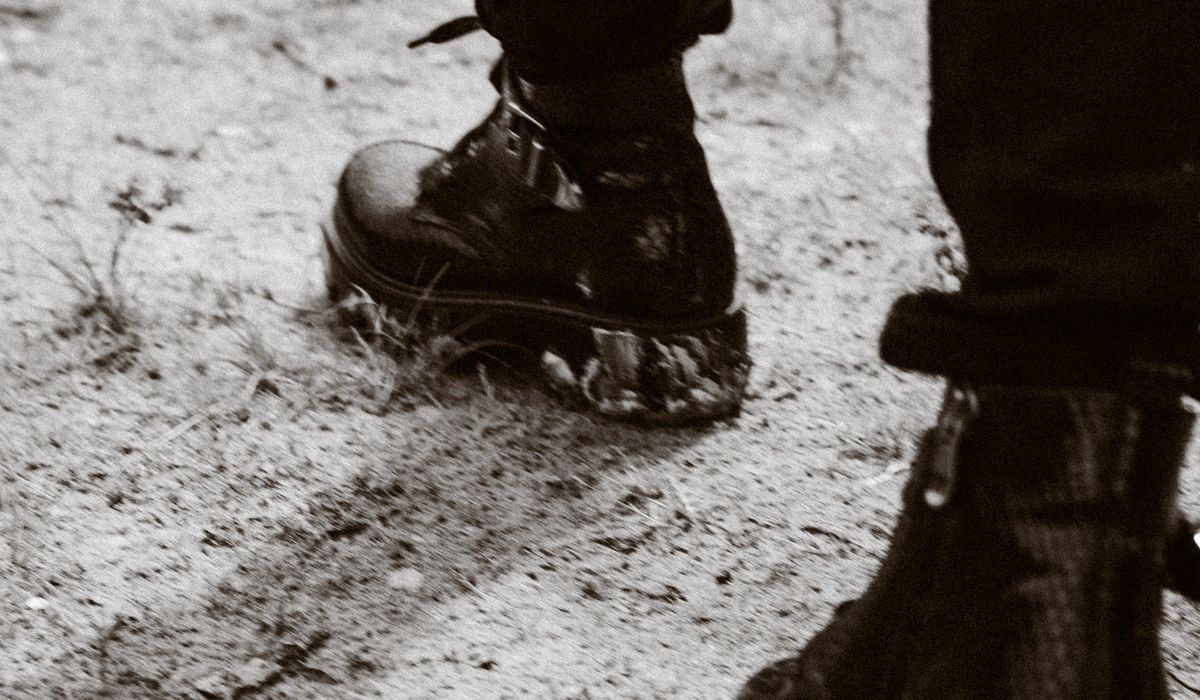
Stay on the path and tread lightly
Vegetation in the uplands is tougher than it looks, but it is also slower to recover than you might think. A single boot on a patch of sphagnum moss can leave a mark that lasts for years. Heather, bilberry, cotton grass and the thin turf of coastal clifftops are all vulnerable. The simplest way to protect them is to stay on the established path. Where a path is muddy, walk straight through the mud rather than around it. Going around widens the path, kills the edges and creates a braided mess that soon turns into a gully.
- On open access land with no clear path, spread out rather than walking in single file. A line of walkers following the same route can create a new scar in minutes.
- Avoid cutting corners on zig-zags. The shortcut may save you ten seconds but it can trigger erosion that costs thousands to repair.
- Do not walk on the fragile edges of paths, or on vegetation that looks like it is already struggling. Give it space.
- If you are walking with a group, keep to the path and keep the group tight. A wide crocodile of walkers is a path-widening machine.
Carry all litter home — every scrap
Litter is the most visible trace, but the worst offenders are often the things people think are harmless. Banana skins, apple cores and orange peel can take months or even years to break down in cool upland conditions. Tea bags contain plastic. Wet wipes do not rot. Cigarette butts are plastic. Dog poo bags — even the biodegradable ones — belong in a bin, not hanging from a branch or left behind a wall. If you carried it up the hill, you can carry it down.
- Bring a small stuff sack or freezer bag for your own litter, plus a spare for anything you find.
- Do not bury litter. Foxes and badgers will dig it up, and it will still be there next year.
- Do not burn litter in a campfire. You will leave scorched earth and melted plastic.
- Pick up micro litter: corners of sandwich wrappers, hair bands, plasters. These are the bits that choke wildlife.
Answering the call of nature in the hills
Sooner or later, nature calls. How you handle it matters more than you might think. Human waste carries pathogens, and it can contaminate streams and burns that people and animals drink from. The rule is simple: bury it or bag it. If you can bury it, dig a hole about 15 to 20 centimetres deep, well away from water, paths and buildings. Aim for at least 30 metres from any stream, burn or loch. Use a small trowel — a dedicated one, not your hand. After you have finished, cover the hole and disguise it with leaf litter or stones. Carry out your toilet paper in a sealed bag. Do not bury it; animals dig it up.
- If you cannot dig a hole — on rocky ground, on a coastal path with thin soil, or above the treeline — bag everything and carry it out. A double-bagged system works well.
- Urinate well away from paths, water sources and crags. Choose a spot that will not be seen or smelled by others.
- Do not leave tissues, wipes or sanitary products behind. They do not decompose quickly and they are an eyesore.
Respect wildlife, livestock and other people
The hills are working landscapes as well as playgrounds. Sheep, cattle and ponies graze on many moors and coastal commons. Ground-nesting birds such as curlew, lapwing and skylark are easily disturbed. Keep dogs under close control or on a lead where required, especially between March and July. Do not approach livestock, and never feed them. Close gates behind you, even if they were open when you arrived. Use stiles and gaps properly. Keep noise down so that others can enjoy the quiet. And remember that a smile and a greeting go a long way on a narrow path.
Plan ahead for a lighter footprint
Leaving no trace starts before you leave the house. Check the route and the weather. Pack a small trowel, a litter bag and a spare bag. Bring a water bottle rather than buying drinks on the way. Park considerately, never blocking gates, driveways or passing places. If you want a hot drink, use a stove rather than lighting a fire. Fires are banned or strongly discouraged on most open moorland and coastal sites because they scar the ground and can spread quickly. Finally, ask yourself at the end of the day: if everyone did exactly what I did, would this place still be beautiful? If the answer is yes, you have got it right. Take only photographs. Leave only footprints. And even those, tread lightly.



John Doe
14 January, 2022Having no content in post should have adverse..
Chauffina Carr
10 April, 2022We use these tests all time! Killer stuff!
Jim Séchen
16 July, 2022Thanks for all the comments, everyone!