

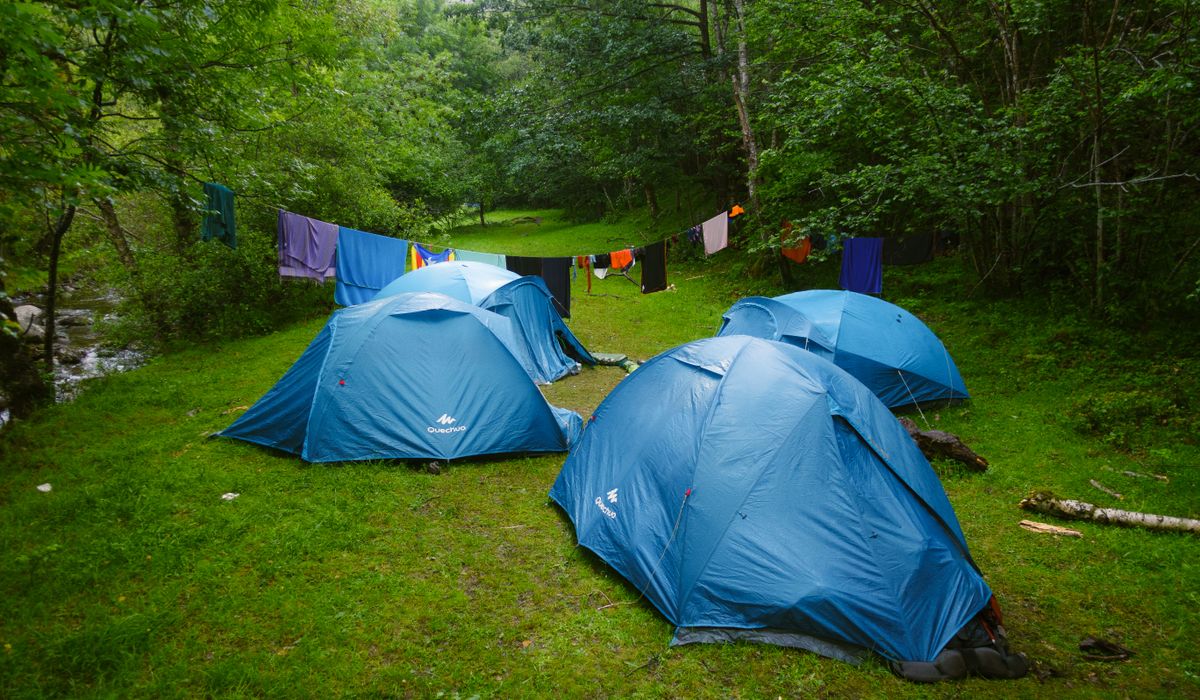
Start Where You Are, Then Build Gently
Whether you have signed up for a charity trek along Hadrian's Wall, a week on the South West Coast Path or a stretch of the Pennine Way, the principle never changes: your body adapts to what you ask of it, provided you ask gradually. If you can currently walk five miles on mixed ground without suffering the next day, you are already in a good starting position.
Allow twelve to sixteen weeks for a multi-day challenge. A workable weekly pattern is two shorter walks of 45 to 90 minutes midweek, plus one longer walk at the weekend. Increase your total weekly distance by roughly 10 per cent, and hold that level for a week before pushing on again. If you are coming back from injury or a long break, add a couple of easy weeks at the start rather than trying to catch up later.
The terrain you train on matters as much as the distance. Paths in the Peak District, the Yorkshire Dales and the Scottish Highlands mix stiles, kissing gates, boggy patches and rocky descents — all of which slow you down and use energy that flat pavement walking never touches.
Make Hill Reps Your Secret Weapon
Distance alone will not prepare you for a day with 900 metres of ascent. Climbing is where most multi-day walkers come unstuck, so treat hills as a session in their own right rather than an inconvenience on the way to somewhere else.
Find a steady slope of ten to fifteen minutes' walking — a county lane, a forest track, a long flight of steps — and walk up it at a pace you could just about hold a conversation at. Walk back down easily to recover, then repeat. Build from four repetitions to six or eight over several weeks, once or twice a week.
If hills are hard to reach, use a treadmill on an incline, or a multi-storey car park staircase with a loaded rucksack. By the final month, aim to complete a single day walk with 700 to 1,000 metres of ascent. That kind of day builds the honest confidence you cannot get from a flat training loop.
The Long Weekend Walk
One walk each week should be long and deliberately unhurried. This is the session that teaches your legs, feet and digestion to keep working when the novelty has worn off. Build towards a walk of five to seven hours, or 20 to 25 kilometres with a decent amount of climbing, two to three weeks before your challenge.
Use these walks to rehearse the real thing:
- Wear the exact footwear, socks and rucksack you plan to use.
- Carry the weight you will actually carry — no more, no less.
- Eat little and often: a handful of nuts, oatcakes, flapjack or a sandwich every hour, plus something salty.
- Take a proper 20-minute lunch stop, then move on before stiffness sets in.
- Practise navigation and route-finding rather than following someone else.
- Walk the second half tired and in worsening weather if you can, so you learn how you cope.
Strength, Rest and Recovery
Rest days are training days in disguise. Muscles, tendons and feet repair when you are not using them, so keep at least two easy days a week, and take a lighter week every fourth week. Trying to squeeze in one more long walk when you are already worn down is the quickest route to a shin splint or a niggling knee.
Twice a week, spend twenty minutes on strength work at home:
- Step-ups onto a sturdy bench or low wall, building to three sets of fifteen on each leg.
- Single-leg squats, calf raises and glute bridges for stability on rough ground.
- Side planks and dead bugs for a midsection that can carry a pack all day.
- Stair or hill descents with a loaded rucksack — downhill is what wrecks quads and knees.
Sleep well, eat properly, and drink more than you think you need in the days before a long walk. Aches that persist beyond a few days deserve a physio's opinion rather than another long outing.
Footwear and Kit That Earn Their Place
Boots or trail shoes are the single most important purchase. Choose by fit, not by price or reputation: a proper fitting service, room for your toes, and roughly half a size larger than your everyday shoes to allow for swelling and long descents. Break them in over 50 to 80 kilometres before the challenge, including a wet day.
Pair them with merino or synthetic socks — two thin layers often beat one thick one — and deal with any hotspot the moment you feel it. A small blister kit, foot cream and tape weigh almost nothing and can save a whole day.
Finally, make sure your rucksack carries weight on your hips rather than your shoulders, and consider walking poles for steep descents. Waterproofs, a spare warm layer, hat, gloves and a headtorch belong in your pack even on a bright summer day in the hills.
Plan the Final Weeks
Taper rather than cram. Complete your longest walk two to three weeks out, then reduce volume steadily while keeping a little intensity. In the last week, take short easy walks, pack your bag properly, check your kit list twice and plan your food, water and transport.
On the day, start slower than feels natural, keep eating before you feel hungry, and adjust your plans to the weather. The fitness you have built will carry you; the patience you bring to the first hour will decide how much of it you enjoy.





John Doe
14 January, 2022Having no content in post should have adverse..
Chauffina Carr
10 April, 2022We use these tests all time! Killer stuff!
Jim Séchen
16 July, 2022Thanks for all the comments, everyone!