

What access rights actually give you
It is easy to assume that the British countryside is one great open playground, and it is a pleasant surprise to many walkers that a good deal of it genuinely is. But access in the UK is a patchwork rather than a single blanket permission, and knowing which patch you are standing on makes for happier days out.
In England and Wales there are effectively two systems running side by side. The first is the public rights of way network — thousands of miles of footpaths, bridleways, restricted byways and byways open to all traffic. These are highways in law, recorded on the definitive map held by your local highway authority, and you have a right to walk them even where they cross private land. The second is open access land, created under the Countryside and Rights of Way Act 2000. This covers mapped mountain, moor, heath, down and registered common land, where you may wander off paths altogether on foot.
Scotland works differently. The Land Reform (Scotland) Act 2003 gives a broad statutory right of responsible access to most land and inland water, provided you behave sensibly and respect the land manager's work.
Reading the signs underfoot
Waymarking is your friend, and the colour coding is worth committing to memory:
- Yellow arrow — public footpath. Walking only, though you may push a pram or wheelchair where the surface allows.
- Blue arrow — bridleway. Walkers, cyclists and horse riders.
- Purple arrow — restricted byway. As above, plus horse-drawn vehicles.
- Red arrow — byway open to all traffic, which in practice often means a rutted track.
Discs and fingerposts also carry the name of the parish or authority that maintains them. If a sign has vanished or a stile has rotted through, a polite note to the local highway authority usually gets things moving. Paths are meant to be kept clear and waymarked, and reporting problems is a genuinely useful contribution.
The Countryside Code in practice
The Countryside Code boils down to a few habits that cost you nothing. Plan ahead and be prepared, particularly on upland routes where weather turns quickly. Leave gates and property as you find them. Take your litter home — including, please, the orange peel. Keep to paths across farmland, even when the field is muddy or the crop has grown tall, because a wide trampled swathe is a real loss to a farmer.
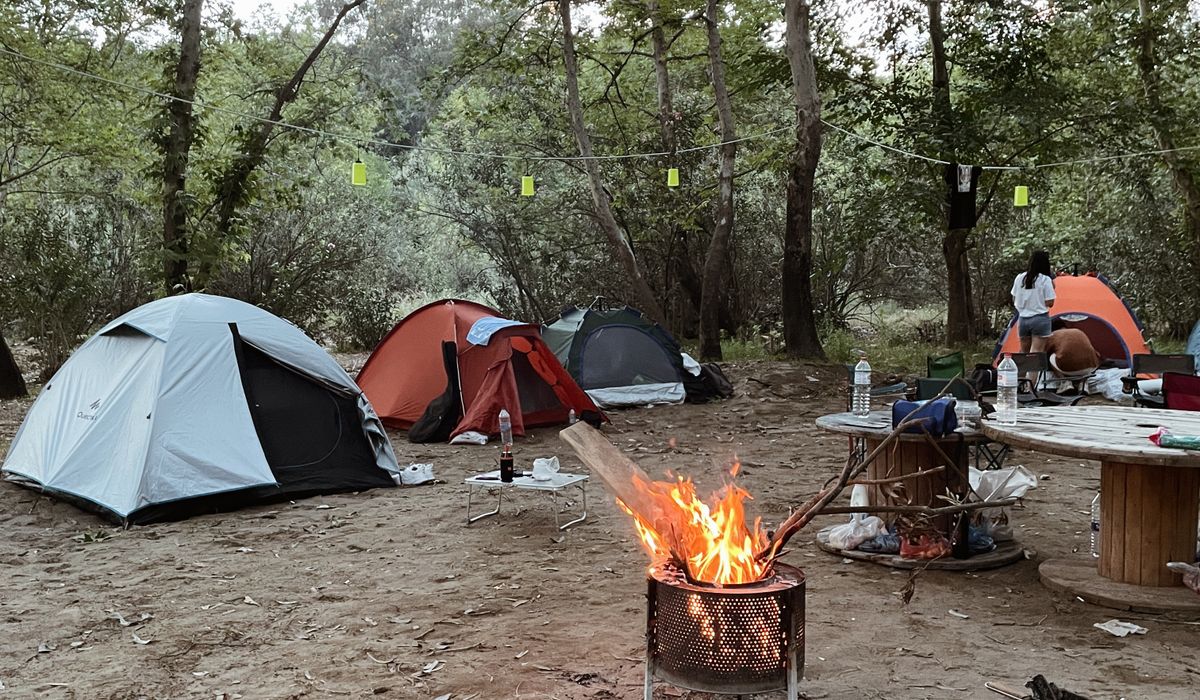
Where you have open access rights, remember what they do not include. Wild camping, lighting fires, swimming in reservoirs and taking anything from the land are not covered in England and Wales, and access can be closed for up to 28 days a year for management reasons. Check before you go.
Gates, stiles and walls
Gates divide opinion more than almost anything else in the countryside. The rule is simple: leave it as you found it. If it was shut, shut it behind you. If it was open in a way that looks deliberate, leave it open. Never climb over a gate or wall where a stile or gap exists — stone walls are expensive and time-consuming to repair, and a broken cope stone is a genuine injury risk to livestock.
Stiles are gradually being replaced by kissing gates and self-closing handles on many routes, which is good news for anyone walking with a dog or a heavy pack. If you meet a stile that your dog cannot manage, lift it rather than dragging it through by the lead.
Dogs, livestock and nesting birds
Dogs are welcome almost everywhere on rights of way, but the expectations are firm and sensible.
- Keep your dog in sight and under control at all times, and within two metres of you on open access land between 1 March and 31 July.
- On a lead, or at least firmly under control, around livestock — and always on a lead near sheep and lambs.
- Give cattle plenty of room, especially cows with calves. If you feel threatened, let your dog off the lead so it can escape; a loose dog is not chased, whereas one held close to you will be.
- Bag it and bin it, or use a stick to flick it off the path if no bin is available.
Ground-nesting birds such as curlew, lapwing and skylark are the quiet casualties of an uncontrolled dog in spring. A single disturbance can end a nesting attempt.
Coastal paths and working farms
England's coast path is being walked into existence section by section, and Wales has a complete 870-mile route that takes in everything from clifftop heathland to estuary boardwalk. Coastal walking brings its own etiquette. Stay back from cliff edges where soil is loose or crumbling, check tide tables before committing to any beach section, and never assume a path shown on the map is passable at high water.
Coastal access often crosses farms, so be alert to the seasons. Lambing, calving, silage cutting and harvest all bring machinery onto tracks you may be sharing. If a temporary diversion is signed, follow it. Farm dogs, electric fences and livestock pens are all working infrastructure, not scenery.
Follow the code, close the gate behind you, keep your dog close, and you will be welcome back on that path for years to come.



John Doe
14 January, 2022Having no content in post should have adverse..
Chauffina Carr
10 April, 2022We use these tests all time! Killer stuff!
Jim Séchen
16 July, 2022Thanks for all the comments, everyone!