

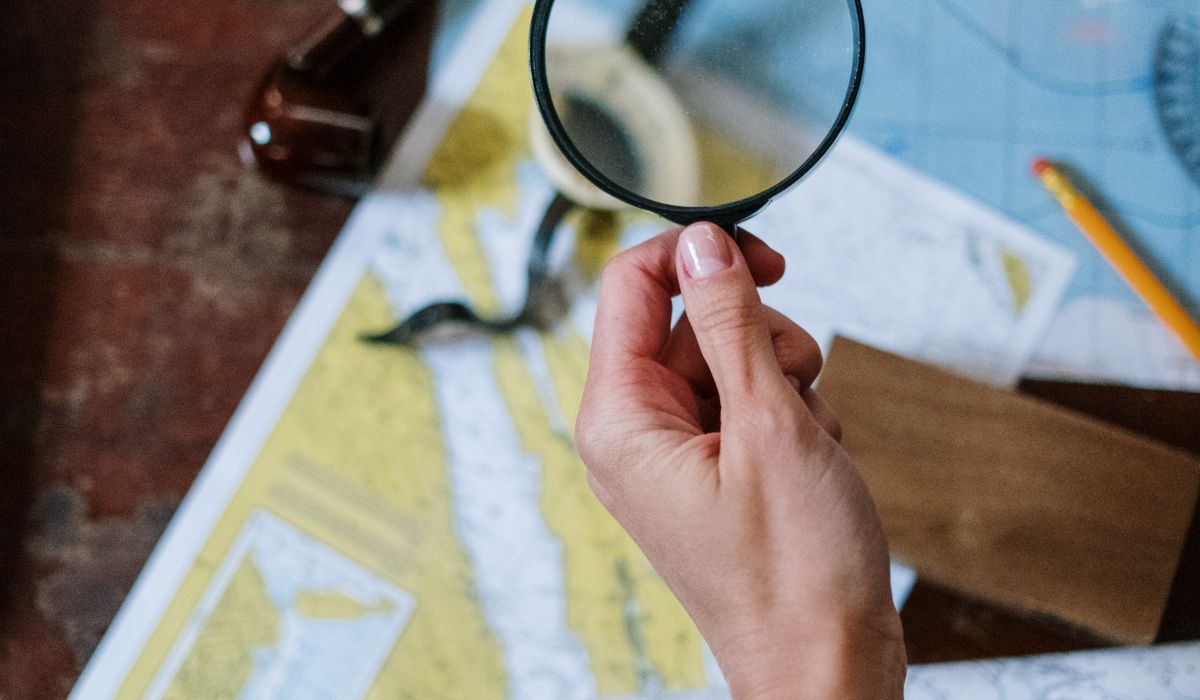
The case for the alarm clock
Anyone who has walked a coastal path at midday in August knows the feeling: a conveyor belt of rucksacks, dogs and ice-cream vans, and not a seal in sight. The wildlife was there all along, of course. It simply had the sense to get its business done before the crowds arrived.
Dawn is the single most productive hour on any British coastline. Light is low and raking, which makes shapes easier to read; the wind often drops overnight, so scent and sound behave predictably; and most animals are still on their feet, feeding or moving between roosts. Dusk offers much the same, but with less time before darkness closes in. Give yourself the first two hours after sunrise and you will see more than most people manage in a fortnight.
June makes this brutal — sunrise in Cornwall can be before 05:15 — but the compensations are real. Winter walking is the opposite bargain: a lie-in until 07:30, then long, hard, clean light and empty beaches. If you only ever manage one pre-dawn outing, make it a clear, still morning in late autumn.
What you are actually looking for
Knowing your quarry shapes everything else, from where you stand to how long you linger. On a typical morning on a rocky western headland, expect some combination of the following.
- Seals. Look for dark, banana-shaped heads bobbing offshore, or grey slugs hauled out on sandbanks and skerries. Grey seals favour exposed rocks and caves; common (harbour) seals prefer sheltered estuaries and sandbars. A low, breathy snort carries a long way on still air.
- Seabirds. Rafts of guillemots and razorbills sit just off headlands at first light. Gannets plunge-dive from height. Oystercatchers pipe along the tideline, and curlew probe the mud with that unmistakable rising call.
- Deer. Roe deer slip out of woodland onto coastal pasture to feed before the dog walkers appear. On Scottish and Exmoor coasts, red deer graze open ground at dawn and again in the last hour of light.
- Otters and cetaceans. Otters hunt at first light along rocky shores and estuary mouths. Bottlenose dolphins and harbour porpoises are most often spotted in flat, glassy early-morning conditions.
Fieldcraft: getting close without getting closer
The aim is never proximity. It is observation. A pair of binoculars at 150 metres shows you far more natural behaviour than your own eyes at 15.
Binoculars at 8x42 or 10x42 are the sweet spot for coastal work — bright enough at dawn, light enough to carry all day. Approach into the wind, because most mammals rely on scent as their first warning. Keep something between you and your subject: a drystone wall, a gorse bank, the crest of a dune. Never stand on a skyline, where your silhouette reads as a threat from half a kilometre away.
Move in short bursts of a few steps, then stop and watch. Alarm signals are easy to learn: a seal lifts its head and stares, birds stop calling, deer freeze with ears forward. If a haul-out starts shuffling towards the water, you are already too close — retreat immediately and quietly. A stampede into the sea costs seals energy they cannot spare, and can separate mothers from pups.
Reading the tide and the seasons
Tides govern everything on the coast. Sandbanks and rocks that hold hauled-out seals flood quickly on a rising tide, so aim to arrive as the water is falling, when the first two hours of an ebbing spring tide expose the most sand. Carry a printed tide table rather than trusting a phone signal in a remote bay, and know your escape route before the path behind you floods.
Timing your visit to the calendar helps too. Seabird colonies are loudest and busiest from April to July, grey seals pup on sheltered beaches from October into December, and the red deer rut runs through October. The trade-off is that these are precisely the periods when disturbance does the most damage. Watch from the path, keep well back, and accept that the nesting season is not the time for exploring that tempting cove.
Disturbance, dogs and the law
Every seal in the UK is protected, and it is an offence to intentionally or recklessly disturb them, or to disturb wild birds at their nests. That is not bureaucratic fussiness — one careless approach can cause a pup to be abandoned or a colony to lose a clutch of eggs.
Never feed wild animals, however appealing the photograph might be. Fed gulls become aggressive, fed seals become dependent and dangerous, and handouts draw animals into places where they get injured. Leave drones at home; they cause more panic per minute than almost anything else. If you walk with a dog, keep it on a lead near cliffs, livestock and nesting habitat, and consider leaving it behind entirely for a dawn outing — you will see considerably more without it.
Small habits that make a difference
Wear dull colours, sit still for ten minutes at a time, and let the path come to you rather than charging along it. Take a flask, a sit mat and a red-light torch for the walk in. Log what you see and where, then return in a fortnight at the same state of tide — pattern recognition is what turns a lucky sighting into reliable fieldcraft. Take only photographs, leave only footprints, and give the coast the quiet start to the day it deserves.


John Doe
14 January, 2022Having no content in post should have adverse..
Chauffina Carr
10 April, 2022We use these tests all time! Killer stuff!
Jim Séchen
16 July, 2022Thanks for all the comments, everyone!