


Why these two little biters deserve your attention
Britain's hills and coast paths are glorious in the warmer months, but they come with two small residents that can turn a lovely day out into an itchy, uncomfortable one. Midges and ticks are both tiny, both common, and both easily dealt with once you know how they operate. The trick is to understand that they are not the same problem. A midge is a nuisance — maddening, but harmless. A tick is a different matter altogether, and worth a bit of genuine care.
The good news is that neither requires you to stay indoors. A few simple habits, built into your normal routine, will keep you comfortable and safe on everything from a lowland coastal ramble to a long day in the Scottish Highlands.
Where and when midges make their move
Midges thrive in still, damp, sheltered conditions. They are at their worst from late May through to September, with a peak in the warm, humid weeks of midsummer. Dawn and dusk are prime time, though on a grey, muggy day they will happily feed right through the afternoon.
The places to expect them are exactly the places we love to walk: boggy moorland, the edges of lochs and llyns, damp woodland, and the sheltered glens and valleys where the breeze never quite reaches. Camping beside a stream in a wooded hollow is a midge magnet.
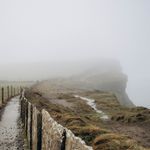
- Wind is your friend. Even a gentle breeze keeps midges grounded, so exposed ridges, headlands and clifftops are usually clear.
- Keep moving. Midges are weak fliers. A steady walking pace leaves most of them behind.
- Time your breaks. Stop for lunch on a breezy knoll rather than in a sheltered dip beside water.
Keeping midges off your skin
A repellent containing DEET or icaridin, applied to exposed skin, is the most reliable defence. Reapply every few hours, and remember that sweat and rain wash it away. For anyone who prefers to avoid DEET, oil of lemon eucalyptus works reasonably well, though it needs more frequent topping up.
Clothing helps enormously. Long sleeves and long trousers, loosely cut and tightly woven, give midges far less to aim at. A head net weighs almost nothing and transforms an evening in the tent — pack one without hesitation. At camp, sit in the breeze, and consider a small citronella candle or a smoky fire, both of which take the edge off the swarm.
Ticks: the ones worth being careful about
Ticks are active from early spring right through to late autumn, with peak activity in late spring and early summer, and a second push in early autumn. They do not fly or jump. Instead they climb up blades of grass, bracken and low vegetation and wait, front legs outstretched, for something warm to brush past.
That means long grass, rough pasture, bracken slopes, woodland edge and deer-populated areas are the places to be alert. Coastal paths with grazing sheep or ponies are just as risky as high moorland. A tick will often crawl for a while before settling, preferring warm, moist, tucked-away places — behind the knee, in the groin, under the arms, along the waistband, in the hairline.
What to wear and carry
- Light-coloured trousers tucked into socks or gaiters. You will spot a dark tick far more easily on pale fabric than on dark.
- Long sleeves and long trousers even in warm weather, particularly on overgrown paths and bracken.
- Repellent, plus a small tick removal tool or fine-tipped tweezers in your pack's top pocket.
- A lightweight head net in midge country, and a spare in the car if you are heading north.
Permethrin-treated clothing is a further step worth considering if you walk regularly in tick-heavy areas, but it should never replace a proper check at the end of the day.
The after-walk routine that matters most
Check yourself within a few hours of finishing. A shower is ideal, because it gives you a reason to look properly, but a mirror and good light will do. Run your hands over your scalp, look behind your ears and knees, and check anywhere clothing has been tight.
If you find a tick attached, remove it with fine-tipped tweezers or a purpose-made tool, gripping as close to the skin as you can and pulling steadily upwards. Do not squeeze the body, and do not use oils, alcohol or a lit match — these can make the tick regurgitate into the wound. Clean the area afterwards, note the date, and keep an eye on it.
Most tick bites are harmless, but if you notice a spreading circular rash, or develop flu-like symptoms, aches or fatigue in the weeks after a bite, speak to your GP and mention the bite and where you were walking. Early treatment is straightforward and effective.
Deal with the midges and you will enjoy your evenings. Deal with the ticks and you will protect your health. Neither takes more than a few minutes of forethought — and both let you get on with the walking, which is what you came for.




John Doe
14 January, 2022Having no content in post should have adverse..
Chauffina Carr
10 April, 2022We use these tests all time! Killer stuff!
Jim Séchen
16 July, 2022Thanks for all the comments, everyone!