

Ask ten recreational gamblers what their favorite slot is, and you'll get ten passionate answers. Ask them what the return-to-player percentage of that game is, and you'll get a lot of blank stares. That gap between enthusiasm and understanding is where the house quietly makes its money. It's not that slots are rigged—regulated slots are audited, certified, and tested to death. The problem is that most players walk in with instincts built on luck, superstition, and the gambler's fallacy, then wonder why their bankroll vanishes faster than a free-spin bonus on a Monday morning.
Here's the uncomfortable truth: you can't beat a slot machine long-term, but you can absolutely play smarter, stretch your entertainment dollar, and avoid the decisions that make you look like the pigeon at a poker table. Let's break down what actually matters.
RTP Is Not Marketing Fluff—It's Math
Return to Player (RTP) is the percentage of all wagered money a slot pays back over millions of spins. A 96% RTP game keeps 4 cents for every dollar cycled through it. That sounds almost fair, until you realize the word "cycled" is doing heavy lifting. If you start with $100 on a 96% RTP machine and keep re-betting every win, you're not losing $4—you're losing roughly 4% of every bet made, and after a few hundred spins, that adds up to real damage.
The spread between games is genuinely wide:
- Low-volatility slots from providers like NetEnt or Pragmatic Play often sit around 96–97%.
- Classic 3-reel games and certain Megaways titles can dip toward 94%.
- Progressive jackpot slots are the worst offenders—RTP can drop to 88% or even lower, because that 8–12% deficit funds the headline prize you're almost certainly never winning.
If you wouldn't buy a product priced 10% higher just because the packaging looks exciting, don't do it with your entertainment budget. Check the RTP before you spin. Most regulated casinos legally have to display it in the game info panel.
Volatility Changes Everything
RTP tells you what you get back over eternity. Volatility tells you how bumpy the ride there will be. Two games can share the same 96% RTP and feel completely different.
High-volatility slots like Money Train or San Quentin pay rarely, but when the bonus finally triggers, it can be 5,000x your stake. Low-volatility games like Starburst or Moon Princess drizzle small wins constantly, keeping your balance alive but never building anything dramatic. Neither is "better." The right choice depends on what you want:
- Long session, small bankroll? Low-to-medium volatility.
- Chasing one huge hit with a limited budget? High volatility, small stakes, and patience.
- Bonus wagering requirements? Medium volatility usually satisfies them most reliably, because brutal variance frequently kills a bonus run before you ever clear it.
Poker Is the Only Game Where Skill Beats the House
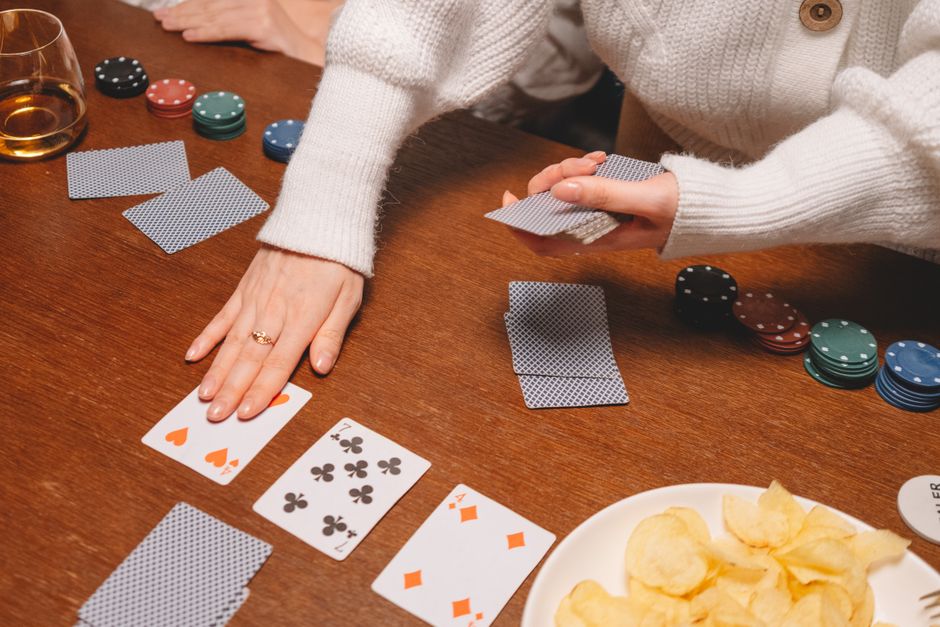
Here's where the iGaming ecosystem actually splits into two worlds. Casino and sports betting are negative expected value games—you're paying for entertainment. Poker is different. In a cash game or tournament, you're playing against other people, and the house just takes a rake. If you're better than your table, you profit. That distinction matters enormously, because so many casual players treat poker like a slot machine with cards.
If you want to take poker seriously, a few things separate the winners from the donors:
- Bankroll management. Never buy into a cash game with more than 5% of your dedicated poker money, and stick to tournaments costing 1% or less.
- Position discipline. Fold weak hands from the blinds and early position. Play more hands late. This alone lifts most beginners' win rates.
- Study, don't just play. Solvers and training sites like GTO Wizard have made marginal study radically more effective than grinding 10,000 hands blindly.
- Track everything. PokerTracker or Hand2Note will show you, in unflattering detail, which leaks are bleeding your money.
The average micro-stakes player loses slowly to the rake. The average patient, studying micro-stakes player beats it. That gap is where the real edge lives. Anyone weighing up options should see สล็อต.
Sports Betting: Line Shopping Is Free Money
If slots are entertainment and poker is a skill contest, sports betting sits somewhere awkwardly in the middle. Sharp bettors don't predict winners—they predict lines, then hunt for the best available price. The same bet offered at -110 by one book and -105 by another looks trivial, but over hundreds of wagers it's the difference between profit and loss.
Concrete rules sharp bettors live by:
- Open at least three or four accounts. If you're not line shopping, you're donating margin to whichever book happened to be your first click.
- Compare against closing lines. If you consistently beat the closing number, you have a documented edge.
- Track your bets in a spreadsheet. Forget memory. If you can't say your ROI over your last 200 bets, you're guessing.
- Understand the vig. A -110 line implies ~52.4% break-even. Most casual bettors hover around 48–50%, which is why they lose slowly and blame bad luck.
The Boring Stuff That Actually Saves You Money
Fewer than one in five online gamblers use deposit limits, according to multiple industry surveys. Most think responsible gambling tools are for problem gamblers. They're not—they're for smart ones. Pre-committing to a weekly loss cap is the single highest-ROI decision a recreational player can make, because it converts a frightening, open-ended risk into a known, fixed cost of entertainment.
Three practical habits worth building:
- Set a time limit, not just a money limit. Fatigue destroys judgment. After 90 minutes on slots, your decision quality is silently sub-par.
- Never chase losses in a single session. That "one more bonus" mindset is how a $50 night becomes a $400 night.
- Split your bankroll by vertical. Don't fund sports bets from your poker roll. When the wall between accounts blurs, discipline follows.
So Where Does That Leave You?
The iGaming industry will happily take your money either way—that's the deal. What it won't do is teach you the difference between a slot you enjoy and a slot that quietly grinds your balance to dust, between poker you can beat and poker you merely survive, between a bettor with an edge and a bettor with a hunch. That education is entirely on you.
The players who stick around—and actually enjoy the hobby without waking up a year later baffled by where the money went—share a common trait. They treat every game as a system with rules, odds, and better or worse decisions. They pick their battles. They track results. And they walk away on the days the math has clearly turned against them.
None of that makes gambling profitable. But it makes it sustainable, smarter, and considerably less depressing when the Thursday-night slot session fizzles out and you still have Friday's bankroll intact. In a game designed for the house, that's a genuine win.






John Doe
14 January, 2022Having no content in post should have adverse..
Chauffina Carr
10 April, 2022We use these tests all time! Killer stuff!
Jim Séchen
16 July, 2022Thanks for all the comments, everyone!