

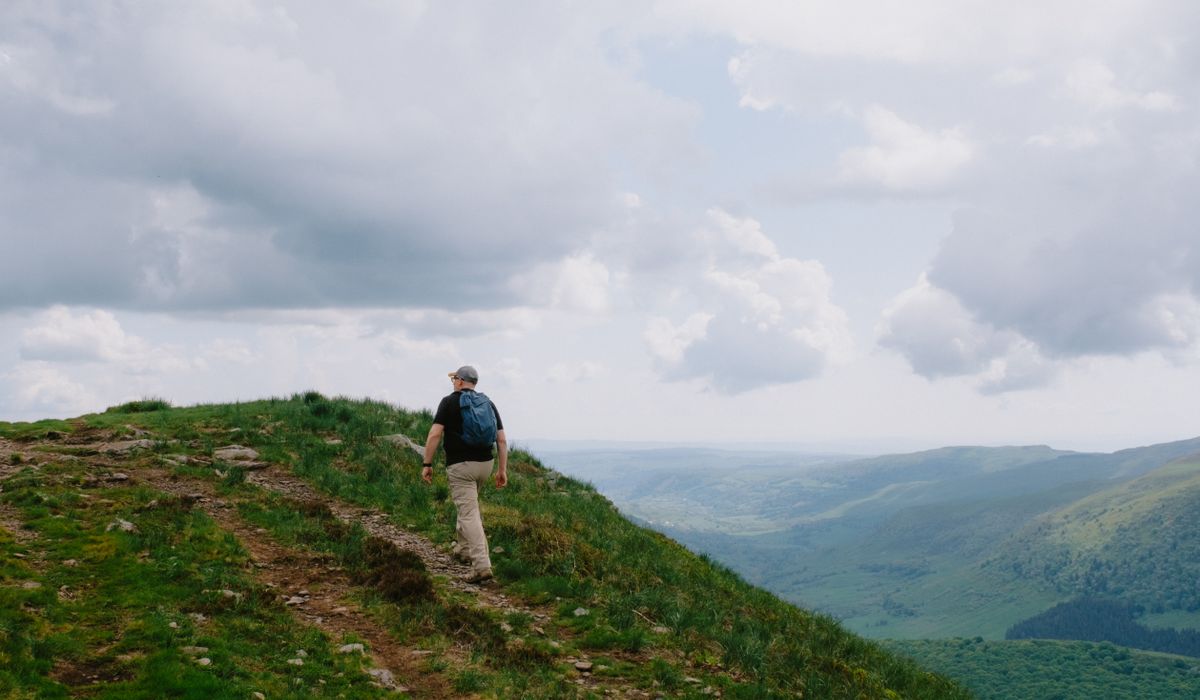
Know the rules before you pitch
In England and Wales there is no general right to wild camp. Everything hinges on the landowner's permission, and the Lake District is no exception. The long-standing tolerance of camping on high fell ground is a tradition rather than a legal right, and it survives only because walkers treat it well. As a rule of thumb, look for ground above the highest intake wall — often around the 450-metre contour — and well away from roads, buildings, farms and enclosed land. Some valleys and a handful of popular tarns now carry explicit restrictions or seasonal bans, so check the national park's current guidance and any notices in car parks before you set off. If a sign says no camping, that means no camping. Keep the party small: one or two low-profile tents, not a village. Never camp in laybys, car parks or on lake shores below the intake wall, however beautiful the view.
Choosing a pitch that gives nothing away
Good wild camping in the fells is quiet, hidden and short-lived. Aim for a spot that is out of sight of the valley, roads and well-used paths, and that will look untouched the moment you leave. Ground above the intake wall is usually rough, so expect to hunt for a patch of short grass, gravel or bare earth rather than a perfect lawn.
- Flat and dry: avoid tussocks, bog and hollows that will collect the night's rain.
- Away from water and paths: fifty metres or more from any tarn, stream or right of way keeps drinking water clean and keeps you out of sight.
- Off rare plants: cushion plants, mosses and alpine flowers take decades to recover from a single tent. If the ground looks precious, it is.
- Sheltered but not trapped: a boulder or old wall can break the wind, but avoid anything directly beneath crags or on a watercourse in case of a flash flood.
- Well used: paradoxically, the best pitch is often one that has obviously been used before, since the damage is already done. Concentrate impact rather than spreading it.
Arrive late, leave early
The old etiquette is simple and still the best advice: pitch as the light fades, and be packed and walking by early morning. You will disturb less, you will be far less likely to meet a farmer or a ranger with a legitimate complaint, and you will catch the fell at its quietest. It also means you need to be genuinely competent at navigating and pitching in the dark or in poor visibility — practise before you rely on it. Eat your evening meal before you pitch if you can, and keep voices low once the tent is up. If someone asks you to move on, do so politely and without argument.
Water, weather and midges
Take water from fast-flowing streams high on the fell rather than from tarns or lowland becks, and treat it — a filter or purification tablets weigh almost nothing. Carry more than you think you need: a litre an hour on the uphill, and more in summer heat. Valley heads here can see over three metres of rain a year, so pack waterproofs whatever the morning forecast says, plus a spare warm layer and a hat. Midges are at their worst from June to August on calm, damp evenings; a head net and a tent with a decent inner will save your sanity. Winter camping on the fells is a serious undertaking for the experienced only.
Leave nothing but footprints
No fires. There is rarely dead wood worth burning, the peat and bracken dry out fast, and a scorch mark lasts for years. Cook on a stove and keep it well away from the tent walls.
- All rubbish travels out: including tea bags, orange peel, apple cores and the scraps you think will rot. They do not.
- Human waste: dig a hole fifteen to twenty centimetres deep, well away from water and paths, and carry the paper out in a bag. In busy areas, carry everything out.
- Pack a trowel and a couple of sturdy bags for waste — they weigh nothing and make all the difference.
Staying safe on the fell
Tell someone your route, your intended pitch and when you expect to be back, then stick to it or let them know you have changed plans. Carry a paper map and compass, know your escape routes, and check a mountain-specific forecast rather than a valley one. A head torch with spare batteries, a first-aid kit, an emergency shelter and enough food for an extra night are not luxuries on these hills. If something goes wrong, dial 999 and ask for mountain rescue; if the signal is patchy, a text message will sometimes get through when a call will not, and a grid reference is worth more than a description. Most of all, be honest about your experience and the conditions — the fells will still be there next year.



John Doe
14 January, 2022Having no content in post should have adverse..
Chauffina Carr
10 April, 2022We use these tests all time! Killer stuff!
Jim Séchen
16 July, 2022Thanks for all the comments, everyone!